
Geopolitical Risk and Commodity Markets: Implications for JW Group
March 2026
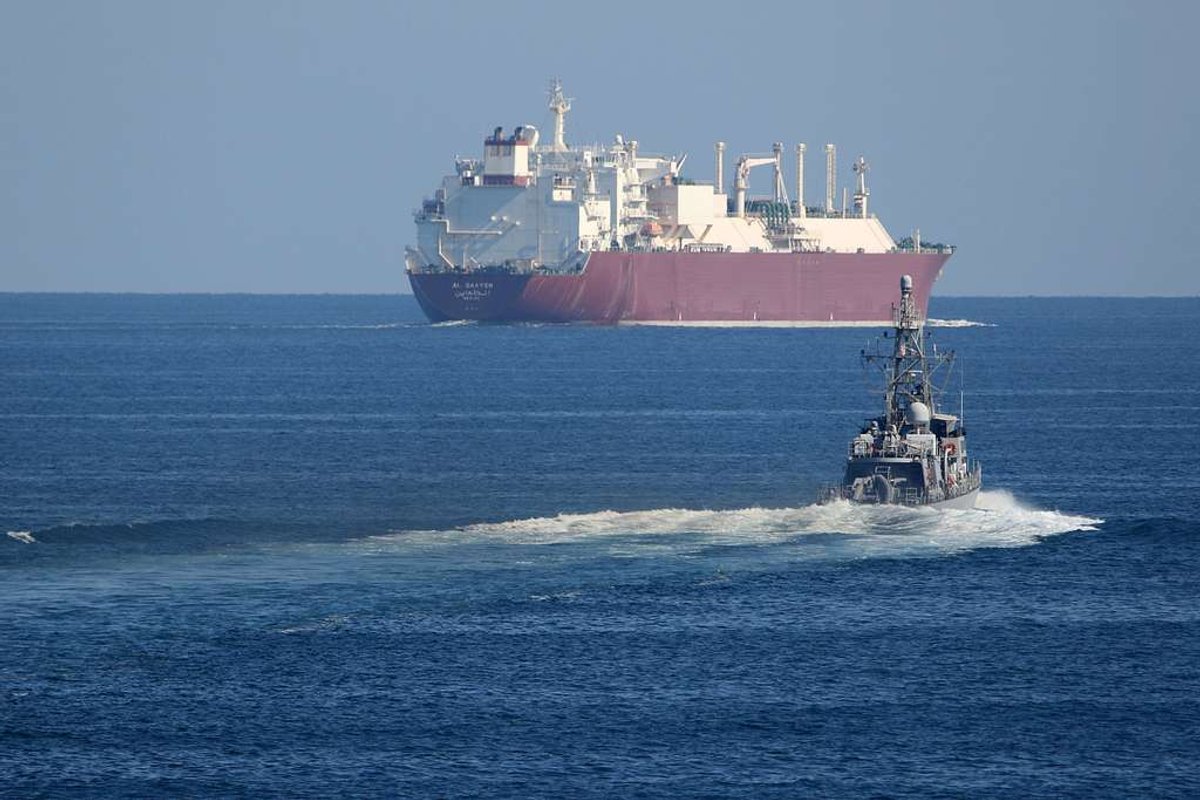
The U.S.–Israel–Iran conflict, despite being only a few days in, is already reshaping global commodity markets, particularly in energy and agricultural inputs. Now, with increased drone strikes and threats of aggression towards maritime shipping, the vital Strait of Hormuz, a critical maritime chokepoint, has experienced war-risk insurance spikes, causing a substantial disruption in traffic.
Around 20 million barrels of crude oil per day—roughly 20% of global
consumption—normally pass through the Strait of Hormuz. With this supply
prevented from reaching markets, oil prices have surged toward or above US$100 per barrel amid market uncertainty, tightening supply conditions across global energy markets.
Estimates suggest that between one-quarter and one-third of global fertilizer trade, including key products such as ammonia and urea, also moves through this same shipping route. Disruptions therefore risk tightening fertilizer supply and pushing prices upward during critical planting seasons.
JW Group, a trading firm dealing in crude oil and fertilizers, the most immediate
impacts will arise from supply disruption, shipping risk, and heightened price
volatility.
Beyond commodities, geopolitical instability in the Gulf is also prompting investors to reassess regional infrastructure exposure. Geopolitical risk is also influencing investment decisions beyond commodity markets. Industry analysts suggest that some digital infrastructure investment, fearing the ongoing conflict in the region, may shift toward more stable markets such as India. For JW Group, the challenge will be balancing opportunities from rising commodity prices with increased operational and geopolitical risk.